

No, Saint Patrick was not a colonizer
So I have something to link to when this comes up again every March

Every year around St. Patrick’s day, people gather together to drink green beer, sing along to the Drop Kick Murphy's, and completely miss the point of one of the most amazing national conversion stories humanity has ever seen.
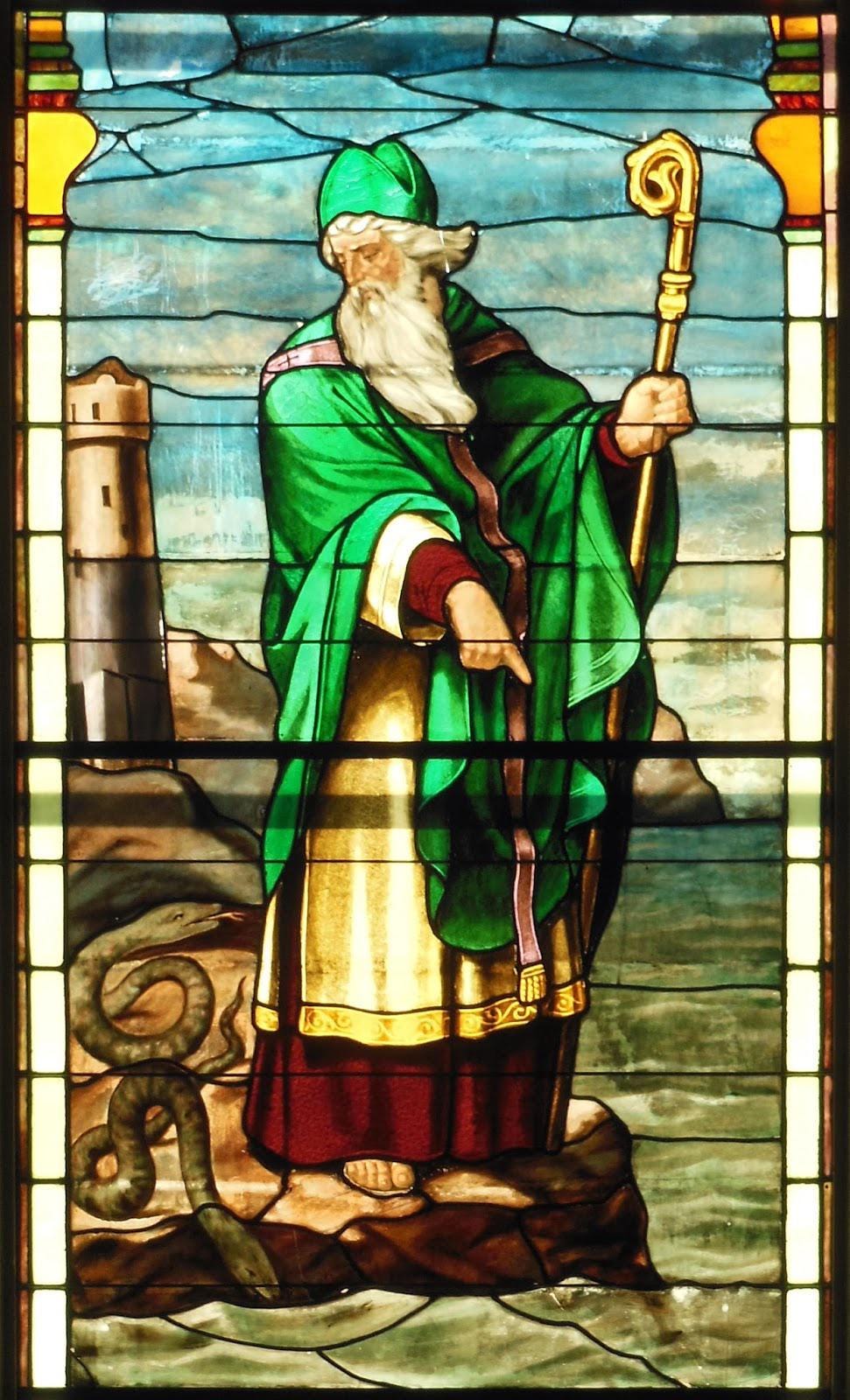
1. The snakes were pagans!
I often hear it stated matter of factly that the legend of St. Patrick driving the snakes out of Ireland is an allegory for him chasing out the pagans or druids. It’s the kind of thing that makes easy circulation on social media because everyone loves to learn the “secret” history behind old traditions. There are entire TikTok accounts that solely explain the meaning behind old nursery rhymes and myths.
But this idea makes no sense for two very obvious reasons—1, Ireland has no native snakes (this is due to its isolation as an island after the last ice age eliminated any that had previously been there); and 2, the pagans never left Ireland.
The legend was added hundreds of years after the saint’s death by medieval hagiographers, and more likely referred to him driving sin or paganism from the country by its peaceful conversion to Christianity. After all, what is the serpent actually a symbol for in Scripture? There were no pagans in Eden; the serpent is associated with sin.
Ireland is full of legends (many of them pre-Christian in origin!) explaining various facts about the natural world. The springs that riddle the country (considered holy by Irish pagans and Christians alike) were the places where St. Michael’s feet landed when he banished Satan from heaven. The hexagonal basalt columns of the Giant’s Causeway were built by the giant Fionn mac Cumhaill to fight his rival. And Oweynagat cave, a natural limestone cave with a prehistoric man-made entrance was once considered the gateway to the faerie Otherworld, and later redubbed the “gateway to Hell”.

2. Well where did the pagans go?
That one’s easy. They never left—they just stopped being pagan. There were no big battles between the Christians and the Irish pagans. No historical account mentions any, and there’s no big exodus of Irish pagans during the years following St. Patrick. (In fact, it’s the Irish Christians who start to spread around Europe, setting up monasteries during the Dark Ages…)
Many druids became Christian priests. Average citizens converted en masse because Christianity offered them much more promising prospects than the vengeful and violent gods of the Tuatha Dé Danann pantheon. Kings and chieftains joined the church for political power as the movement took off, as well as to save them from the looming threat of the Roman empire (which, let’s be clear, was a colonizing power).
Frankly, I find it to be infantilizing of the Irish pagans to imply that they were wiped out like this. This was a culture of warriors so fierce that the greatest military power on earth at the time, the Roman empire, couldn’t break them like they did across much of the rest of Europe. To deny the Irish people the agency to choose their own faith is simply modern ethnocentrism.
The fact is that the pagan religion of Ireland practiced ritual human sacrifice, was used to justify slavery, and established caste systems that perpetuated injustice. Saint Patrick was famously captured by raiders and forced into slavery himself, and his preaching in Ireland helped spare thousands the same fate. So effective was his admonishment of the practice, that slave trade was greatly diminished within his lifetime.
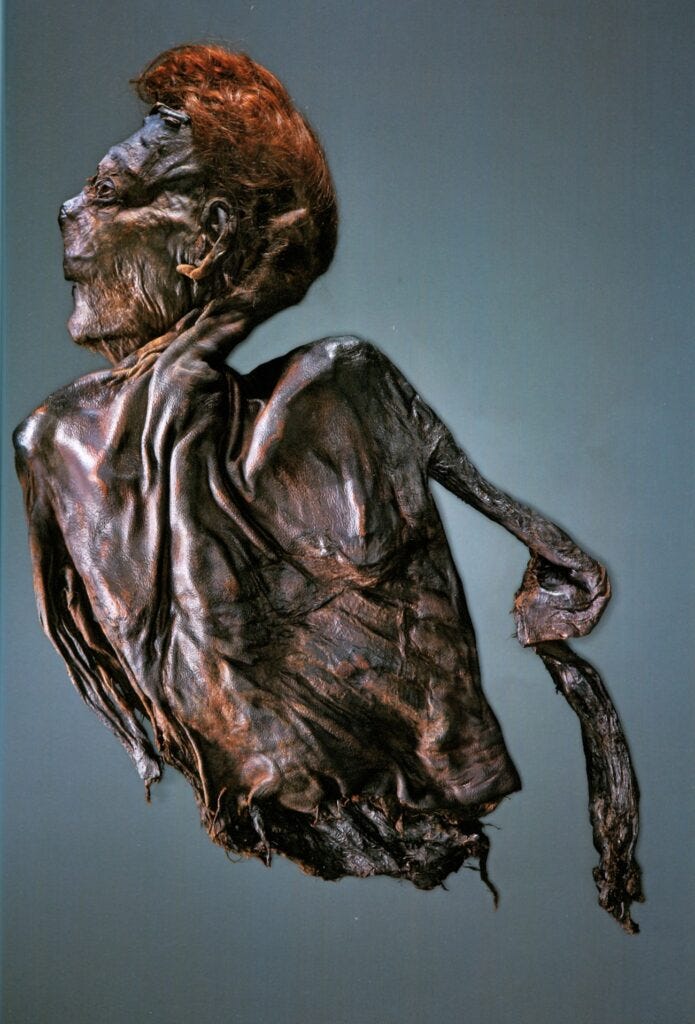
3. To colonize there has to be … a colony
You don’t have to be happy about the conversion of Ireland to Christianity. You can mourn the parts of old Irish culture that were lost as a result of the people there willfully changing their faith and discarding their old beliefs. You can be upset about the way Christianity has been abused to justify slavery and colonialism around the world. But when you try to mix them all together, it falls apart.
That’s because Ireland is one of the very few places where Christianity occurred without colonialism.
After the adoption of Christianity by the Roman Empire, many people throughout Europe were forcibly converted to the faith. The “discovery” of the Americas by European colonists involved the intentional erasure of many native cultures in the name of the Christian faith. Even today in the United States, the people in power continue to claim to follow the words of Christ while clearly violating them in immigration enforcement and war.
But that’s not Saint Patrick at all. Patrick had no army, no weight of empire behind his mission. He came back to Ireland, to the people that made him a slave, and peacefully taught them about the faith that saved his life when he was among them. It’s one of the only examples we have of a country becoming Christian without bloodshed, without being conquered.
To call this colonialism makes a mockery of the term. It belittles the Irish people who chose their own path in life. And it denies us the positive example of how one can share their faith by embracing existing cultures, rather than trying to erase them.

I really loved this. Historically accurate and encouraging. So glad I found this.